


Things to Do
Things to Do in Gettysburg, PA
Find Your SPace

Plan your Gettysburg visit with battlefield tours, museums, and time to explore beyond the historic sites. From York & Stratton, walk to downtown shops, restaurants, theaters, and tasting rooms, or venture farther for orchards and nearby trails.
The Ultimate Guide to Gettysburg
Gettysburg’s battlefield is the starting point for many visits, but the town deserves time of its own. Soldiers fought through its streets, homes became hospitals, and Abraham Lincoln stayed on the square before delivering the Gettysburg Address. Visiting these places helps explain how the battle affected the people who lived here.
Today, those historic streets also lead to independent shops, restaurants, tasting rooms, and a restored theater. Stay a few days to explore the battlefield, spend an evening downtown, and take a drive through the farms and orchards of Adams County. From York & Stratton, many of downtown Gettysburg’s attractions are within walking distance.
Begin at Gettysburg National Military Park
Six Thousand Acres of History, From Cemetery Ridge to Little Round Top
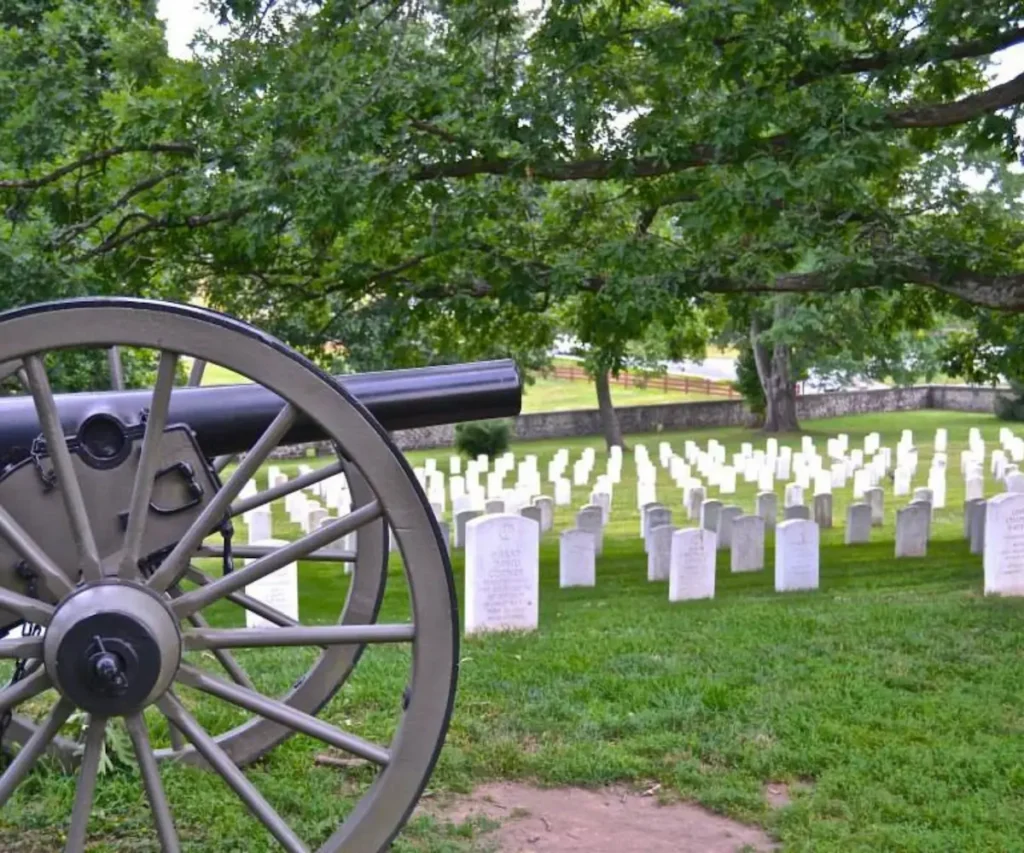
Gettysburg National Military Park covers more than 6,000 acres, with roughly 1,300 monuments and markers across its fields, ridges, woods, and farm lanes. The park grounds and roads are free to enter and open daily from thirty minutes before sunrise until thirty minutes after sunset.
Begin at the Gettysburg National Military Park Museum & Visitor Center. The museum places the battle within the broader history of the Civil War, and the film A New Birth of Freedom provides an introduction for first-time visitors. Allow time for the Gettysburg Cyclorama, an immense restored painting of Pickett’s Charge that surrounds the viewer. Sound and lighting help explain the scene and the fighting it depicts.
The official sixteen-stop auto route takes about two to three hours, allowing time to use the National Park Service app and stop along the way. For a more personal introduction, book a two-hour tour with a Licensed Battlefield Guide. Your guide can tailor the tour to your interests, answer questions, and explain how the terrain influenced decisions on the battlefield. Guides can accompany you in your vehicle, lead a caravan, or conduct a bus tour. Reserve in advance for summer visits and major commemorative weekends.
Little Round Top, Devil’s Den, the Wheatfield, and the Peach Orchard help visitors understand the fighting on July 2. At the High Water Mark on Cemetery Ridge, look west across the ground crossed during Pickett’s Charge. If you have time, walk between the Virginia Memorial and the Angle to get a better sense of the distance and terrain.
Explore Gettysburg’s Museums and Historic Homes
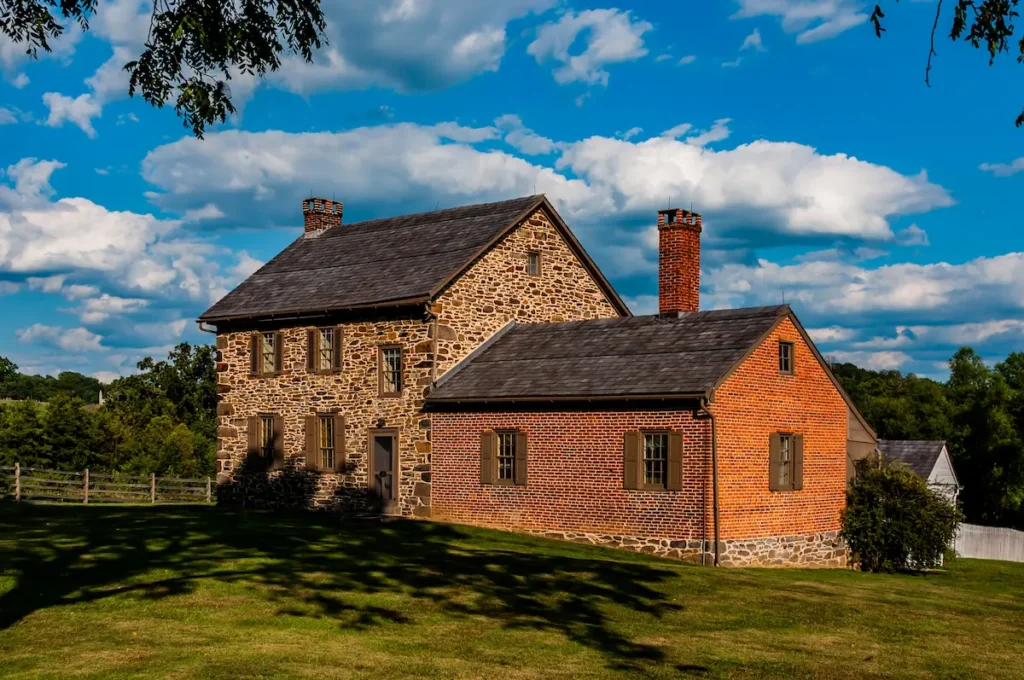
Gettysburg had approximately 2,400 residents in 1863. The battle left about 51,000 soldiers killed, wounded, captured, or missing, and churches, schools, and private homes became hospitals. The town’s museums explore this history through the experiences of civilians, nurses, children, free Black residents, and wounded soldiers, as well as those who fought.
- The Gettysburg Diorama & History Center helps visitors picture the battle as a whole.
- The Gettysburg Heritage Center examines both military and civilian experiences of the three days.
- The Seminary Ridge Museum occupies the 1832 Lutheran Seminary, an observation post and then a hospital.
- Beyond the Battle Museum traces Adams County’s history from long before 1863 through the present.
- The Shriver House Museum tells the story of George and Hettie Shriver, whose home was occupied by Confederate sharpshooters.
- The Jennie Wade House marks the place where twenty-year-old Jennie Wade was killed while preparing bread.
- The David Wills House is where Abraham Lincoln stayed on November 18, 1863, and finished revising the Gettysburg Address.
Follow the Gettysburg Black History Trail
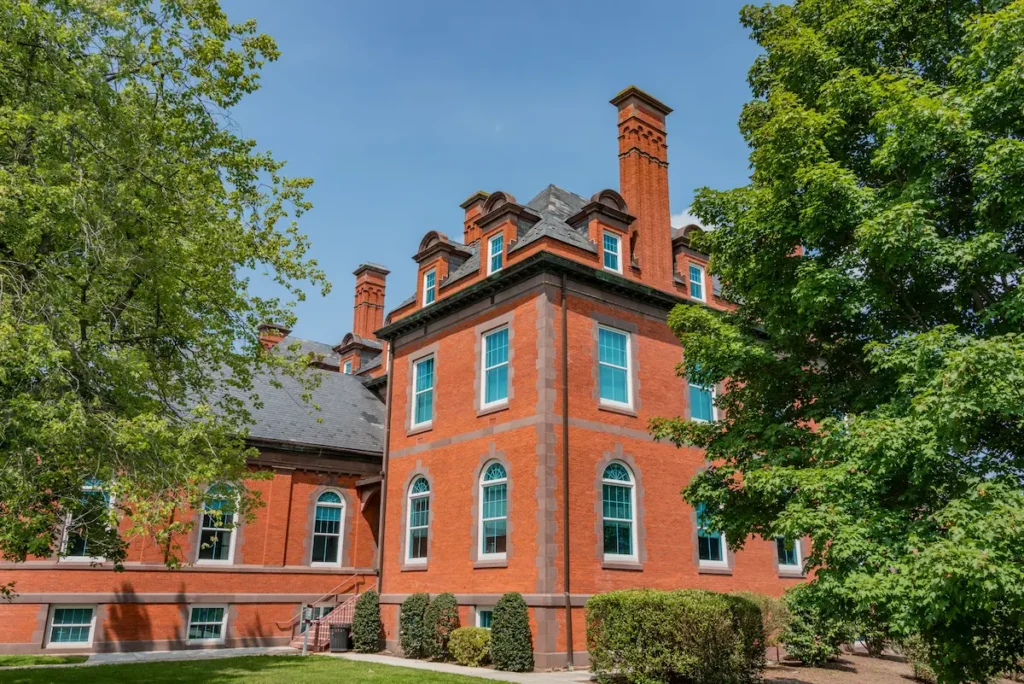
The free, self-guided Gettysburg Black History Trail explores the town’s history through its Black community. It connects homes, churches, schools, cemeteries, and battlefield sites, with stories of free Black landowners, Underground Railroad conductors, residents targeted by Confederate kidnappers, and veterans of the United States Colored Troops through some of the town’s most significant history.
- The AME Zion Church site anchored the town’s Black community before and after the war.
- The Franklin Street Colored School served Gettysburg’s Black children for decades after emancipation.
- Lincoln Cemetery holds the graves of United States Colored Troops veterans denied burial elsewhere.
- The Abraham Brian Farm stood at the center of the Union line during Pickett’s Charge.
- The Seminary Ridge Museum addresses the moral arguments over slavery alongside the first day’s fighting.
- Beyond the Battle Museum places the Black community within Adams County’s longer history.
- Together, these places show how slavery, freedom, and citizenship shaped Gettysburg before and after the war.
Things to Do in Gettysburg with Children
Discover history the whole family can experience
Younger visitors usually get the most out of Gettysburg by learning about the children who lived through the battle. At Children of Gettysburg 1863, inside the historic Rupp House, you follow local children and teenagers through their daily lives, the arrival of the armies, the three days of fighting, and everything that came after. Children can handle most of what is in the galleries, and families work through them together. Most visits take about forty-five minutes, which leaves time to add the Jennie Wade House or a walk down to the National Cemetery.
The Gettysburg Diorama helps children who need to see how the pieces fit together. Between museums, you can walk a short stretch of the battlefield or let everyone run at the playgrounds in Gettysburg Recreation Park. Sachs Covered Bridge makes another easy stop. Both armies crossed it during the campaign, and it has been closed to traffic since 1968.
Take a Gettysburg Ghost Tour
Ghost tours offer another way to explore Gettysburg after dark. Narrated walking tours combine local history with supernatural accounts, while paranormal investigations use equipment and access to indoor or outdoor locations to search for evidence. Check the format before booking so you know what to expect.
Mark Nesbitt’s Ghosts of Gettysburg is the original local operator, with tours based on the former park ranger and battlefield guide’s long-running book series. Its candlelight walks combine documented history with accounts collected over decades, following routes along Baltimore Street and near Gettysburg College.
Several local operators also offer indoor and outdoor ghost hunts. Compare locations, walking distances, age restrictions, and the type of experience offered. Book early for autumn weekends, and bring an extra layer for cooler evenings.
An Evening in Downtown Gettysburg
The Majestic Theater opened in 1925 as the largest vaudeville and silent film theater in south-central Pennsylvania. Dwight and Mamie Eisenhower later attended films and performances here, sometimes with visiting world leaders. The building also served the White House press corps during Eisenhower’s years at his Gettysburg farm.
Following a major restoration, the Majestic now hosts concerts, theater, dance, comedy, independent films, and classic cinema. Check the program while planning your stay if you’re interested in a show!
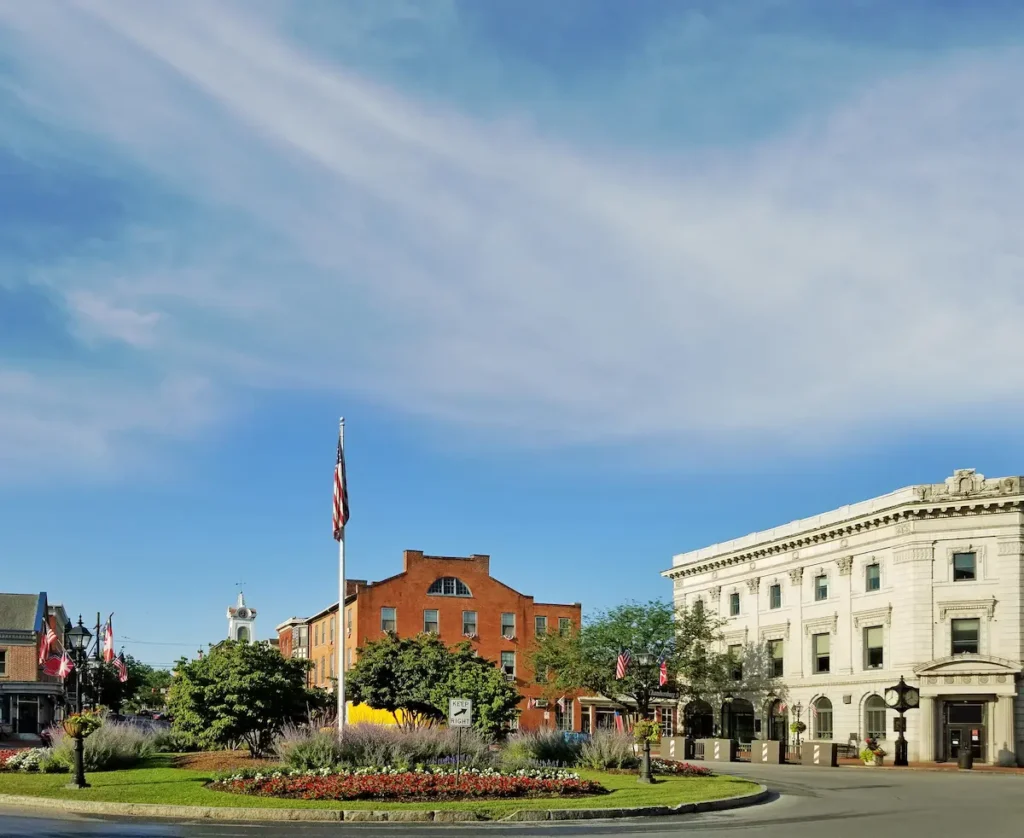
For a historic dining setting, the Dobbin House Tavern, built in 1776, serves colonial-inspired dishes in candlelit rooms and its stone cellar tavern. Gettysburg also has breweries, neighborhood restaurants, and cocktail bars for a more contemporary evening. Leave time for a walk around Lincoln Square before returning to the hotel.

Browse Gettysburg’s Independent Shops
Gettysburg’s shops reflect both its history and the interests of the people who live and work here. Most of them sit within a few minutes’ walk of Lincoln Square, which makes an afternoon among them easy to fit around everything else.
The Horse Soldier specializes in authenticated military antiques, and the pieces on display deserve a closer look whether or not you intend to buy anything. Head to Dirty Billy’s Hats for historically accurate headwear for reenactors, collectors, and film productions, or the Regimental Quartermaster for reproduction uniforms and equipment. The shop has enough detail to show you how a soldier was actually clothed and supplied.
Gallery 30 features work by regional artists and makers, and the shelves upstairs feature one of the better book selections in town. Lark Gifts is great for contemporary gifts with color and humor, and makes a useful stop when you have had enough period detail for one day.
Together, these shops offer plenty of ways to bring something home from your visit, whether your interests run toward Civil War history, local art, or an unexpected find.

Adams County’s Wineries, Cider Houses, & Breweries
Adams County grows more apples than any other county in Pennsylvania. Those orchards supply fruit for local ciders, fruit wines, and seasonal beers, while nearby farms provide grain for the distillers.
In town, Reid’s Winery Tasting Room & Cider House is the easiest introduction to local cider. Adams County Winery’s Gettysburg Wine Shop carries bottles from its Orrtanna vineyard. Mason Dixon Distillery is housed in a restored furniture factory, where they focus on making spirits from locally sourced grain with a full restaurant alongside the stills. For beer, try Fourscore Beer Co. or the Battlefield location of Appalachian Brewing Company.
Outside Gettysburg, Adams County Winery has operated in Orrtanna since 1975. Thirsty Farmer Brew Works pours small-batch beer and cider on a family farm across from a Historic Round Barn. Screaming Bambino at nearby Boyer Cellars, and the surrounding orchards, farm markets, and seasonal festivals round out the day.
The Adams County Field to Festival Trail has replaced the Pour Tour and Crop Hop. Its free digital passport connects farm markets, orchards, and craft beverage producers.
Explore Beyond Downtown Gettysburg
There's so much more to Gettysburg than the Battlefield & historic sites.
The Eisenhower National Historic Site adjoins the battlefield and preserves the only home Dwight and Mamie Eisenhower ever owned. Visitors can drive directly to the farm and park on site. The grounds are open daily, while ranger-led farm walks and tours of the furnished home follow a seasonal schedule. Check the current tour days before visiting.
North of Gettysburg, the orchards are worth exploring, especially during spring bloom and the late summer and fall harvest. The Historic Round Barn, built in 1914, operates as a seasonal farm market. Hollabaugh Bros. offers a market, pick-your-own fruit, and events throughout the growing season. The National Apple Harvest Festival, held over two October weekends, is the county’s major harvest celebration.
For a short outing, walk across Sachs Covered Bridge over Marsh Creek. If you have more time, Caledonia State Park offers ten miles of trails, remnants of the ironworks associated with abolitionist Thaddeus Stevens, and a section of the Appalachian Trail.
Farther north, Pine Grove Furnace State Park has lakes, the Appalachian Trail Museum, and access to Pole Steeple. The short, steep climb rewards hikers with a broad view of the surrounding landscape.
Plan Your Stay Around Gettysburg’s Annual Events
Gettysburg’s annual calendar includes commemorations, living history programs, and seasonal celebrations. Battle anniversary events take place around July 1 through 3, and in September join the town for a major World War II weekend at the Eisenhower site, followed by the National Apple Harvest Festival over two October weekends.
November’s Dedication Day and Remembrance Day observances include a parade and cemetery illumination on scheduled years. In December, a town-wide Christmas festival brings visitors downtown for the holiday season.
These events can be a good reason to plan a visit, though popular weekends also mean fuller hotels, busy restaurants, and changes to traffic patterns. Reserve early and consult official calendars for current dates and programs.
Make Your Plan
Everything on this page is within a few minutes of our front door. The museums, the square, the cemetery, the taverns and the theatre are all walkable, which means you can come back between things, drop your bags, and go out again.
We have fifteen rooms in a house that stood through the battle, and every one is named for someone who was here. The Lincoln Suite occupies the whole third floor and sleeps four. Some rooms have deep tubs and some have fireplaces, and two open onto the garden through a door of their own. Have a look at the rooms as you plan your days.